Planning a safari from Madagascar is easier than you think. This Masai Mara travel guide for Malagasy speakers covers the practical details that matter: getting there, visas, costs in Ariary, and when to see the wildebeest, plus honest advice on the reserve versus private conservancies.
Kenya and Madagascar share the Indian Ocean, but the Masai Mara feels like another world. Lions rest in the open, elephants move in family groups, and the Mara River carries one of the great wildlife spectacles on Earth. This guide gives you the facts to plan the trip with confidence.
How Do You Get from Madagascar to Masai Mara?
Most travelers start in Antananarivo (TNR) and fly to Nairobi (NBO). Kenya Airways and Air Madagascar have operated routes between the two cities, and Ethiopian Airlines offers a connection through Addis Ababa. The direct flight takes about three hours.
From Nairobi, scheduled flights reach airstrips inside the reserve or nearby conservancy strips in about 45 minutes, on operators like Safarilink and AirKenya. This is the quickest way in. Driving instead takes five to six hours, on tarmac to Narok then murram and dirt to the gates, slower in the rainy season.
If you have a longer window, add days in Samburu for reticulated giraffe and Grevy’s zebra, or pair the Mara with Amboseli for elephants under Kilimanjaro.
Do Malagasy Citizens Need a Visa or eTA for Kenya?
Yes. Malagasy passport holders need an entry authorization for Kenya, through the electronic Travel Authorization (eTA) system. You apply online before you travel, and approval usually comes within a few days.
The eTA is valid for a single entry and allows up to 90 days in Kenya. You need a passport valid for at least six months beyond your travel dates, plus a printed copy of the eTA.
Apply on the official Kenya eTA website only, since some third party sites charge extra fees. The official fee is a flat 30 US dollars for tourism. You also need proof of a return ticket and accommodation details.
What Is the Best Time to Visit Masai Mara for the Wildebeest Migration?
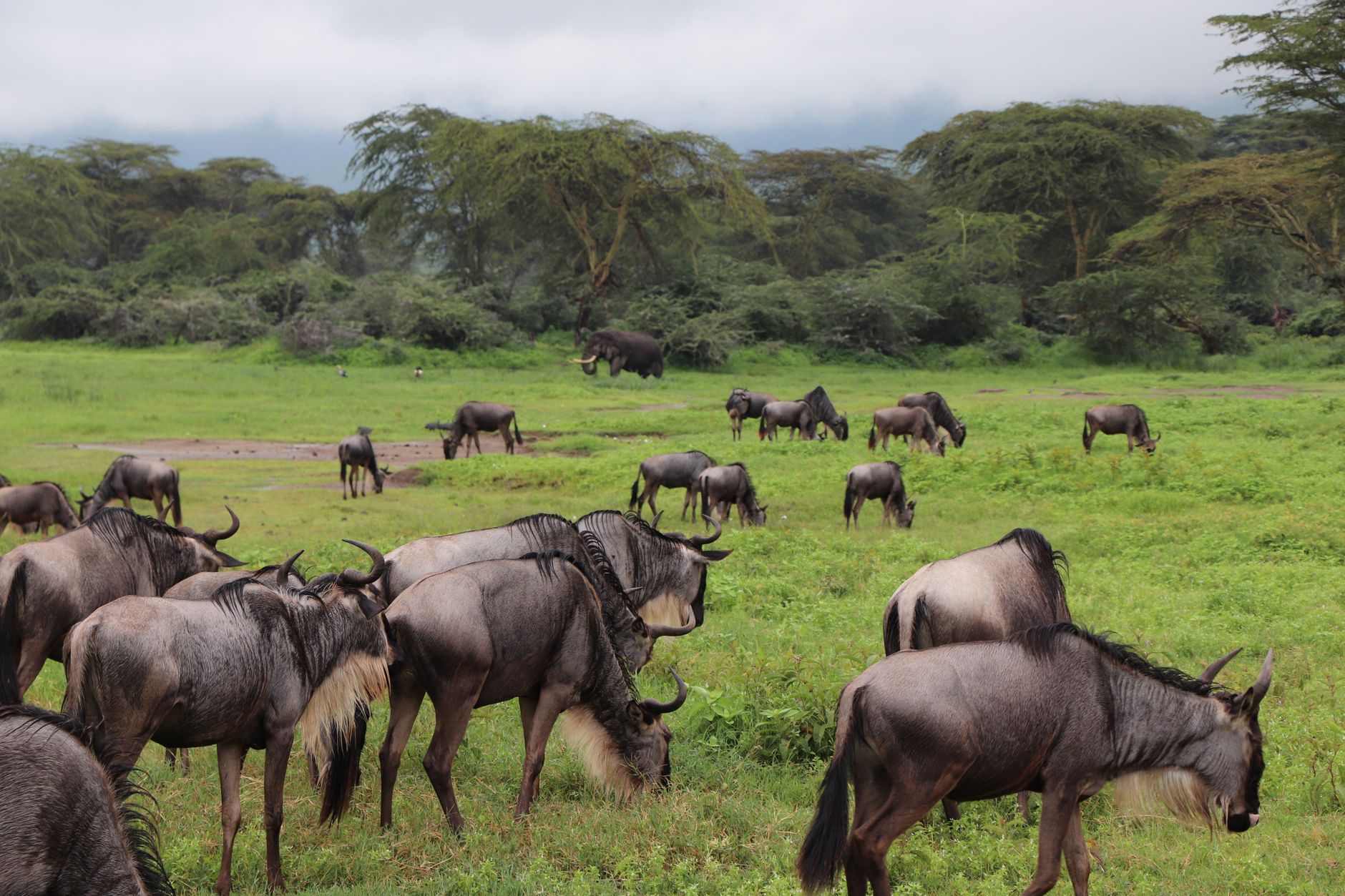
The migration is the Mara River crossing of about 1.5 million wildebeest and hundreds of thousands of zebra. The herds move from Tanzania’s Serengeti into the Mara between July and October, with exact timing set by rainfall. August and September are the most reliable months for river crossings, and October still offers good action as herds move south. Crowds match the wildlife, so high season means more vehicles at the river.
The green season runs from November to June. In December and January, the herds are in the southern Serengeti, so the Mara is quieter and greener, a good time for big cats and bird watching, with lower prices and more space.
For the most detailed month by month view, our best time to visit Masai Mara page breaks down wildlife categories by month.
How Many Days Do You Need in Masai Mara?
The minimum is two full days, giving you four game drives, enough to see the Big Five with a bit of luck. For a first safari, three full days is the sweet spot, with time to track leopards and wait at a crossing.
Five or more days suits photographers and wildlife enthusiasts, since the Mara rewards patience and a leopard sighting on the last morning can change your whole trip.
How Much Does a Masai Mara Safari Cost?
Safari costs in the Mara vary by season, camp type, and whether you stay in the reserve or a conservancy. Park entry fees are billed separately, set by the Narok County Government rather than Kenya Wildlife Service. The rate is 200 US dollars per adult per day in peak season (July to December) and 100 in low season (January to June). Children pay half, and rates should be confirmed before you book.
A safari package usually includes accommodation, game drives with a guide, meals and most drinks, and airstrip transfers. The table below gives an indicative range; confirm exact figures with your operator.
| Cost item | Typical price | Notes |
|---|---|---|
| Reserve entry, peak (Jul to Dec) | 200 USD, adult, per day | Narok County fee |
| Reserve entry, low (Jan to Jun) | 100 USD, adult, per day | Narok County fee |
| Budget camp | 150 to 250 USD, per person, per night | Basic tents |
| Mid range camp | 300 to 500 USD, per person, per night | En-suite tents, full board |
| Luxury camp or lodge | 600 to 1,000+ USD, per person, per night | Conservancy setting |
| Conservancy fee | 100 to 150 USD, per person, per night | On top of accommodation |
In Ariary terms, 200 US dollars is roughly 800,000 to 900,000 MGA depending on the exchange rate, so a three night mid range safari could run 1.5 to 2 million MGA per person before flights, as an indicative range only.
For a deeper breakdown, our Kenya safari cost guide gives a full budget picture.
What Is the Difference Between the Masai Mara National Reserve and Private Conservancies?
The reserve is public land managed by the county, with no fences and open to any licensed vehicle. This is where the famous river crossings happen, and it is also the busiest place in high season.
Private conservancies are community owned land. Groups like Naboisho and Mara North lease land from Maasai landowners and cap the number of beds and vehicles, for a more private experience. Night drives and walking safaris are allowed here, unlike in the reserve. The nightly conservation fee, shown in the table above, supports schools, water projects, and wildlife protection.
For photography, conservancies give better angles without a line of cars. For river crossings, base in the reserve area, though many camps offer access to both.
What Wildlife Lives in Masai Mara?
The Mara is famous for the Big Five: lion, leopard, elephant, buffalo, and rhino. Black rhinos are present but hard to find, with a healthy population in protected zones.
Lions are the star, and the Mara has one of the highest lion densities in Africa, so you will likely see several prides in a single day. Cheetahs hunt the open plains, and leopards hide in the riverine forest along the rivers.
Beyond the big cats, look for spotted hyenas and wild dogs in the conservancies. Hippos and crocodiles fill the river, alongside giraffes, zebras, and more than 450 bird species.
For a full species guide with viewing tips, the Big Five in Kenya page has practical advice.
Where Should You Stay in Masai Mara?
Your camp choice depends on your budget and what you want from the trip, with typical price bands shown in the table above. Entry level camps sit near the reserve gates, clean and functional, and you save money but share the roads.
Mid range camps are often in the reserve or on its edge, with en-suite tents, full board, and reliable game viewing. These strike the best balance for most travelers.
Luxury camps sit in the conservancies, with large tents, private verandas, and attentive service. You pay for space and exclusivity, not necessarily more wildlife.
For a full comparison of lodges and camps by price tier, compare camps and lodges in the Masai Mara.
Is Masai Mara Safe for Families with Children?
Yes, but with common sense. The reserve is a wild place, so you stay inside the vehicle during drives, and camps have fenced perimeters or ask you to walk with a guard at night.
Children over six years generally enjoy the Mara, though younger ones may struggle with early mornings and long drives. Ask your operator about age policies and children’s programs before booking.
Do You Need French or English in Masai Mara Camps?
English is the working language in Kenyan tourism, and guides speak it well. Camp staff also manage French in many lodges, so Madagascar’s French speakers will find enough staff to communicate with, though the main safari language is English.
A few Swahili words such as jambo for hello and asante for thank you go a long way with your guide.
What Should You Pack and Know About Health?
Pack light clothing in neutral colors, since bright blues and whites attract tsetse flies in some areas. Long sleeves and trousers in the evening keep mosquitoes away. Mornings in the Mara can be as cool as 10 degrees Celsius, rising to around 28 by midday, so bring a light jacket and layers.
For a full gear list with a printable checklist, the Kenya safari packing list covers everything from camera gear to meds.
Kenya requires a yellow fever vaccination if you arrive from a country with yellow fever risk. Madagascar is not currently on that list, but check before you travel. Malaria is present in the Mara, so antimalarials and repellent are recommended for all ages.
How Do You Handle Money and Connectivity in the Mara?
The Kenyan Shilling is the local currency, and US dollars are accepted in many camps, especially for tips. Bring small US dollar bills, since card payments can be slow over the local network.
WiFi is available at most camps, though signal is weak on game drives, which is no bad thing.
How Do You Choose a Safari Operator?
Pick an operator who is licensed and experienced in the Mara. Ask for recent reviews, confirm what is included in the price, and ask about the guide to guest ratio. A good guide, one who knows the territories and the best angles for photography, makes the difference between a drive and an adventure.
What Is the Best Way to Avoid Crowds and High Prices?
Skip August and September if you value solitude, since the river banks can have dozens of vehicles. Instead, come in November or March, when the weather is warm and the predators are still active.
The calving season from January to February brings thousands of wildebeest birthing in the southern Serengeti. The Mara itself gets resident herds and fewer tourists, and prices at camps often drop, though the discount varies by property.
Conservancies also solve the crowd problem. Even in August, Naboisho limits vehicles, trading some chance of a river crossing for a more intimate experience.
How Does This Masai Mara Travel Guide for Malagasy Speakers Help You Plan a Trip?
You can plan this trip in a few weeks. Start with your eTA application, then book your flights from Antananarivo to Nairobi, and finally choose a camp and dates. Consider adding days on the Kenyan coast too: Diani Beach is a short flight from Nairobi, covered in our Diani Beach guide.
Remember that the Mara is not a zoo. You may not see a leopard at all, or you may see one hunt. Patience is the skill that pays, and your guide is the key.
Malagasy travelers already know biodiversity at home, from the dry forests of the south to the lemurs of the east. The Mara offers a different kind of wonder rooted in open skies and grass.
Where Can You Compare Safari Operators and Browse Packages?
You now have the facts to plan your trip. The next step is finding the right operator and comparing packages. FindMySafari has verified itineraries, Valley Safaris lists camps and lodges with transparent pricing, and Trunktrails Safaris offers curated East Africa options. All three let you compare operators side by side and get quotes from several specialists at once.
Start your search early, since peak season camps fill up six months ahead.
Where Can You Find More Safari Planning Resources?
- Masai Mara Great Migration guide from Trunktrails Safaris
- Interactive Maasai Mara map from Valley Safaris
- Masai Mara destination guide on FindMySafari
- Best time to visit Kenya month-by-month map from Valley Safaris